A DOLLE roof hatch generally requires minimal maintenance beyond occasional cleaning with a soft cloth well wrung out in mild soapy water. However, with a small amount of regular care — such as ensuring the hinges, gas springs, and locking mechanism are free from debris and operating smoothly — you can keep the hatch’s performance, safety, and insulation intact for years to come.
Hatch Lid and Frame
-> Wipe down both interior and exterior surfaces with a soft damp cloth dampened in mild soapy water to remove dirt and dust.
-> Avoid excessive water that could penetrate joints or seals.
-> Confirm that the hatch opens and closes smoothly, and that the gas struts or springs hold the lid securely when open.
Gas Struts / Spring Assistance
-> Open and close the hatch to check the opening resistance and holding power.
-> If the lid feels heavy or fails to stay open, inspect the gas struts or springs for wear and replace them if necessary.
-> Lightly lubricate pivot points with acid-free oil for consistent performance.
Locking System
-> For hatches with a lock housing, test the mechanism regularly to ensure smooth engagement.
-> Apply a drop of acid-free oil to the moving parts, wiping away any excess to prevent dirt buildup.
Hinges and Metal Fittings
-> Remove any dust or debris from hinges, bolts, and other fittings.
-> Lubricate sparingly with acid-free oil to keep them moving freely.
-> Wipe clean to avoid attracting grit or dust.
Sealing Strips
-> Check sealing strips for cracks, gaps, or deterioration.
-> Clean with a cloth dampened in soapy water and dry completely to avoid mould growth.
-> Replace any damaged seals to maintain insulation and keep out water and drafts.
Frame Connections
-> Inspect all frame joints to confirm they remain tight and properly secured.
-> Tighten bolts or screws if you notice any loosening.
Ladder
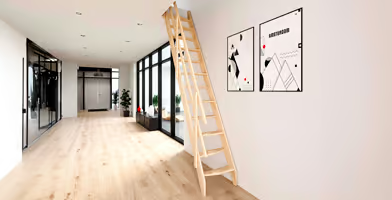
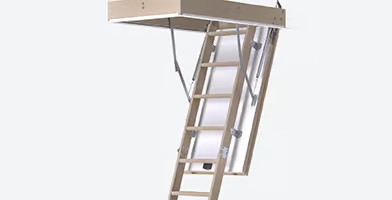
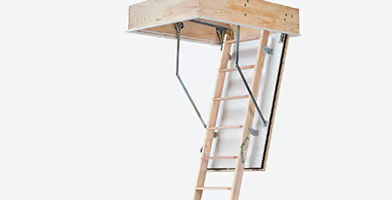
-> Wooden ladders – Check regularly for any signs of swelling, rot, or surface wear on the treads and side rails. Clean with a damp cloth and mild soapy water, ensuring no standing water remainds to prevent moisture damage.
-> Aluminium ladders – Wipe down in the same way, but dry thoroughly afterward to avoid water spots or potential corrosion.

Maintenance of Roof Hatches
General maintenance for Roof Hatches
A DOLLE roof hatch generally requires minimal maintenance beyond occasional cleaning with a soft cloth well wrung out in mild soapy water. However, with a small amount of regular care — such as ensuring the hinges, gas springs, and locking mechanism are free from debris and operating smoothly — you can keep the hatch’s performance, safety, and insulation intact for years to come.
Hatch Lid and Frame
-> Wipe down both interior and exterior surfaces with a soft damp cloth dampened in mild soapy water to remove dirt and dust.
-> Avoid excessive water that could penetrate joints or seals.
-> Confirm that the hatch opens and closes smoothly, and that the gas struts or springs hold the lid securely when open.
Gas Struts / Spring Assistance
-> Open and close the hatch to check the opening resistance and holding power.
-> If the lid feels heavy or fails to stay open, inspect the gas struts or springs for wear and replace them if necessary.
-> Lightly lubricate pivot points with acid-free oil for consistent performance.
Locking System
-> For hatches with a lock housing, test the mechanism regularly to ensure smooth engagement.
-> Apply a drop of acid-free oil to the moving parts, wiping away any excess to prevent dirt buildup.
Hinges and Metal Fittings
-> Remove any dust or debris from hinges, bolts, and other fittings.
-> Lubricate sparingly with acid-free oil to keep them moving freely.
-> Wipe clean to avoid attracting grit or dust.
Sealing Strips
-> Check sealing strips for cracks, gaps, or deterioration.
-> Clean with a cloth dampened in soapy water and dry completely to avoid mould growth.
-> Replace any damaged seals to maintain insulation and keep out water and drafts.
Frame Connections
-> Inspect all frame joints to confirm they remain tight and properly secured.
-> Tighten bolts or screws if you notice any loosening.
Ladder
-> Wooden ladders – Check regularly for any signs of swelling, rot, or surface wear on the treads and side rails. Clean with a damp cloth and mild soapy water, ensuring no standing water remainds to prevent moisture damage.
-> Aluminium ladders – Wipe down in the same way, but dry thoroughly afterward to avoid water spots or potential corrosion.